What is a Fertility Doula? The Support I Wish I Had

Nobody said it out loud. They didn't have to...
I already had children. So when I had a pregnancy loss and spent years trying to conceive, I could feel the question looming in every conversation. What are you so upset about? That's a common place to land with secondary infertility, which means having trouble growing your family again after you already have a child. I didn't feel I had permission to grieve. And I'll be honest, I didn't expect to feel that when trying to grow my family.
I had a medical team, and I'm grateful for them. I had people who loved me. But none of them had been through this, and my family and friends didn't quite know what to say. The doctors treated me. My people cared about me, but nobody's job was to sit with me in it, help me sort through my choices on the days I was too worn out to think, or hand me the questions I didn't know to ask. I found a therapist on my own, and she was kind. She could sympathize, but she couldn't empathize, because she hadn't lived it.
So I became the person I needed. I'm a fertility doula, and I'm a nurse. Here's what I wish someone had told me at the start.
What is a fertility doula?
You've probably heard of birth doulas, who support a woman in labor. Postpartum doulas help after the baby comes. Some families even work with a bereavement doula near the end of life. A fertility doula supports you while you're trying to grow your family. It might mean trying on your own through natural conception, or it might mean supporting you through fertility treatments, like IUI (intrauterine insemination), IVF (in vitro fertilization), donor eggs or sperm, surrogacy, or adoption.
A fertility doula is a support person, not a medical one. She doesn't diagnose you, prescribe anything, or decide your treatment. She is not a therapist, and she is not there for emergencies. She can't promise you a pregnancy, and you should walk away from anyone who does.
What does a fertility doula do?
In real life, her support can look like this:
Teaching body literacy and fertility awareness methods
Cycle charting and helping you identify red flags
Explaining medical words and procedures in plain language
Helping you write your questions down before an appointment
Helping you think through your options, without pushing you toward one
Staying with you through the two-week wait, the stretch between treatment and a pregnancy test
Pointing you to resources and referrals
Staying beside you after a cycle that didn't work, or after a loss
Respecting your faith and your family's values
Helping you navigate alternative paths to parenthood (sperm/egg donation, surrogacy, adoption, etc.)
How do you know if a fertility doula is right for you?
Not everyone needs one. Some women have a strong circle and a clinic that explains everything well. But you might want the extra support if:
You're at the start, with more questions than answers
You're in treatment, and the appointments, medications, waiting, and cost feel like too much
You have secondary infertility and feel you're not "allowed" to struggle
Your path includes donor eggs or sperm, surrogacy, or adoption
You've had a loss and need someone who won't rush you or try to fix it
You don't need a diagnosis to ask for support. Partners and close support people can need it too, so ask any doula how she works with them.
When should you reach out, and how do you choose?
Any time you want to. Before your first appointment, in the middle of treatment, or after a hard result. There's no "too early" and no "too late."
Not every doula will be the right fit for you, and that's okay. Bring these questions to your first conversation:
Where did you train, and what does your training cover?
What experience do you have with my situation, such as IUI, IVF, donor paths, or loss?
What do you do, and what do you not do?
How do you work alongside my doctors and nurses?
How can I reach you between sessions, and how fast do you usually reply?
Are sessions virtual, in person, or both?
Notice how she answers. You're looking for someone who explains things plainly and doesn't rush you.
What does a fertility doula cost?
Every doula sets her own rates, and they vary a lot. Some charge per session or per month. Others sell packages. Whatever the price, ask for the details in writing. Find out what's included and what isn't. Ask whether she offers payment plans or reduced rates. At Fertile Ground, payment plans are available for every package. You're allowed to ask for more support than you were handed. I wish someone had told me that sooner.
If you're wondering whether this kind of support fits where you are right now, take the Fertile Ground fertility doula quiz.
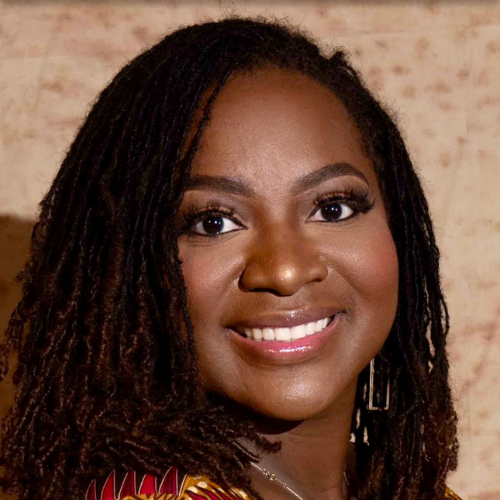
Quisha Umemba is a Registered Nurse, Yoga Instructor, and Fertility Doula who has experienced the physical and emotional toll of infertility and now walks with others on their journey. Find out more by visiting Fertile Ground Fertility Doula Services at https://www.fertilegroundus.com/
DISCLAIMER: The blog is not medical advice, and it does not replace care from your doctor or another licensed provider. Please talk with your own care team about your health and your treatment.